Research, made human
Connecting the Dots
Peer-reviewed research, translated into clear, practical language for families affected by serious mental illness, LGBTQ+ adults navigating identity and belonging, and survivors rebuilding after trauma.
Grieving the Life You Thought You Would Have
Caregiving for someone with bipolar disorder can bring a deep sense of grief that is difficult to name. No one has necessarily died, yet the future you expected may no longer look the same.
I Love Him, but Can I Live Like This?
What research on bipolar disorder caregiving reveals about love, resentment, guilt, loyalty, and the mixed emotions that can live inside a long relationship.
When Is Leaving Abandonment and When Is It Survival?
When caring for someone with bipolar disorder becomes overwhelming, leaving can feel like betrayal. Research reveals a more complicated boundary between love and survival.
When Other People’s Judgment Becomes Your Own
How stigma can move from public attitudes about mental illness into the way caregivers see their family, their choices, and themselves.
The Three Faces of Caregiving
A study of 500 caregivers of people living with bipolar disorder found that people tend to cope in one of three ways. Recognizing your own pattern may help explain not only how you're doing today, but what kind of support you need
7 Factors Linked to Caregiver Burden in Bipolar Disorder
Supporting someone with bipolar disorder changes more than one life. Research helps explain the factors that make caregiving especially difficult and why recognizing them matters.
The Relief of Not Having to Explain Everything
People often assume support groups are about getting advice. A 2025 review suggests their greatest value may be something simpler: the relief of talking to people who already understand your world.
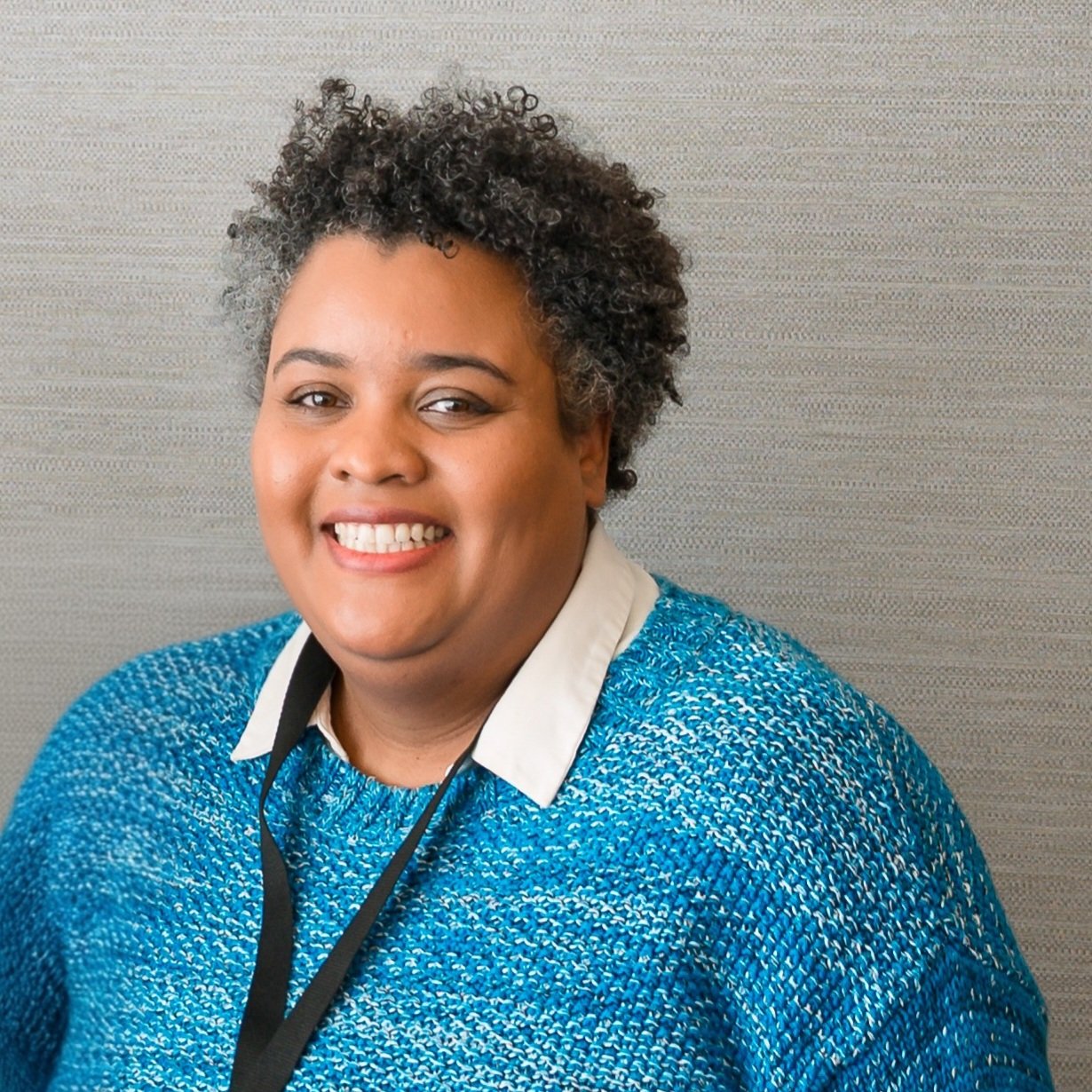
Your guide to the research
Yoyce Geronimo Galvan, M.A., is a coach with a master's degree in Clinical and Counseling Psychology. For more than ten years, she has worked alongside individuals, families, and community organizations supporting people affected by serious mental illness, addiction, trauma, caregiving responsibilities, and identity-related challenges. Her coaching integrates evidence-informed education with practical tools, guided reflection, and structured coaching.