Research, made human
Connecting the Dots
Peer-reviewed research, translated into clear, practical language for families affected by serious mental illness, LGBTQ+ adults navigating identity and belonging, and survivors rebuilding after trauma.
When Bipolar Symptoms Help Explain the Behavior, What Does Accountability Look Like?
When bipolar symptoms shape hurtful or risky behavior, families may struggle to balance compassion with accountability. Research with caregivers shows how understanding the illness, setting limits, and planning for future episodes can all matter.
What We Miss When We Call It “Caregiver Stress”
Partners caring for someone with serious mental illness may carry very different kinds of strain. A 2024 study suggests that support may work better when we ask what is causing the stress, not just how much stress a caregiver feels.
Grieving the Life You Thought You Would Have
Caregiving for someone with bipolar disorder can bring a deep sense of grief that is difficult to name. No one has necessarily died, yet the future you expected may no longer look the same.
When Does Helping Become Caregiving? The Role You May Never Have Chosen
Research on families living with bipolar disorder raises a simple question with a surprisingly hard answer: When does being a partner, parent, sibling, or friend become caregiving?
I Love Him, but Can I Live Like This?
What research on bipolar disorder caregiving reveals about love, resentment, guilt, loyalty, and the mixed emotions that can live inside a long relationship.
When Is Leaving Abandonment and When Is It Survival?
When caring for someone with bipolar disorder becomes overwhelming, leaving can feel like betrayal. Research reveals a more complicated boundary between love and survival.
When Is There Room for Me in the Relationship?
A 2025 study of relatives who completed a bipolar-disorder psychoeducation program found that understanding the illness did not resolve one of their hardest questions: how to protect their own needs without abandoning the person they love
When Other People’s Judgment Becomes Your Own
How stigma can move from public attitudes about mental illness into the way caregivers see their family, their choices, and themselves.
The Goal Isn't to Stop Fighting
Research on family communication in bipolar disorder suggests that healthier families are not the ones who never argue. They're the ones who build enough positive connection that conflict no longer defines the relationship.
Why Does Every Conversation Turns Into a Fight?
Decades of research suggest that many of the arguments families blame themselves for are part of a predictable pattern. Understanding that pattern may be the first step toward changing it.
How to Talk to Your Child About Bipolar Disorder, at Every Age?
Children usually know something is different long before anyone explains it. A new study from the University of Oxford offers practical guidance on how to have those conversations, from the preschool years through adolescence.
The Three Faces of Caregiving
A study of 500 caregivers of people living with bipolar disorder found that people tend to cope in one of three ways. Recognizing your own pattern may help explain not only how you're doing today, but what kind of support you need
7 Factors Linked to Caregiver Burden in Bipolar Disorder
Supporting someone with bipolar disorder changes more than one life. Research helps explain the factors that make caregiving especially difficult and why recognizing them matters.
Living With a Partner Who Has Bipolar Disorder: 4 Things That Really Help
People who live alongside bipolar disorder often receive little guidance about how to care for themselves. A qualitative study from Sweden identified four practices that helped partners and family members build a life that remained livable, even when the illness was not predictable.
Can a Marriage Survive Bipolar Disorder? What Research Shows
A systematic review of 27 studies found that bipolar disorder does not determine the fate of a marriage. The strongest predictors of relationship success are often how couples understand the illness, share responsibility, and support one another over time.
The Relief of Not Having to Explain Everything
People often assume support groups are about getting advice. A 2025 review suggests their greatest value may be something simpler: the relief of talking to people who already understand your world.
What No One Prepares You for When You're the Partner of Someone with Bipolar Disorder?
A qualitative study of caregivers found that supporting a partner with bipolar disorder changes far more than daily routines. It can reshape identity, relationships, mental health, and the way partners see themselves—all while their own needs often go unnoticed
You're Not a Witness. You're Living the Illness Too.
Partners of people living with bipolar disorder often become invisible to the very systems treating the illness. Research suggests their own health, stress, and well-being deserve attention too.
The Depression No One Sees: Caring for Someone With Bipolar Disorder
New research suggests that caregiver depression is not simply the emotional cost of loving someone with bipolar disorder. It follows a pattern and understanding that pattern may help explain why so many caregivers struggle in silence.
The Mental Health System Treats One Patient. It Often Leaves the Other Behind.
Research involving more than 6,000 caregivers found high rates of depression, anxiety and psychological distress among family members caring for loved ones with serious mental illness. Yet they remain largely invisible to the system meant to help.
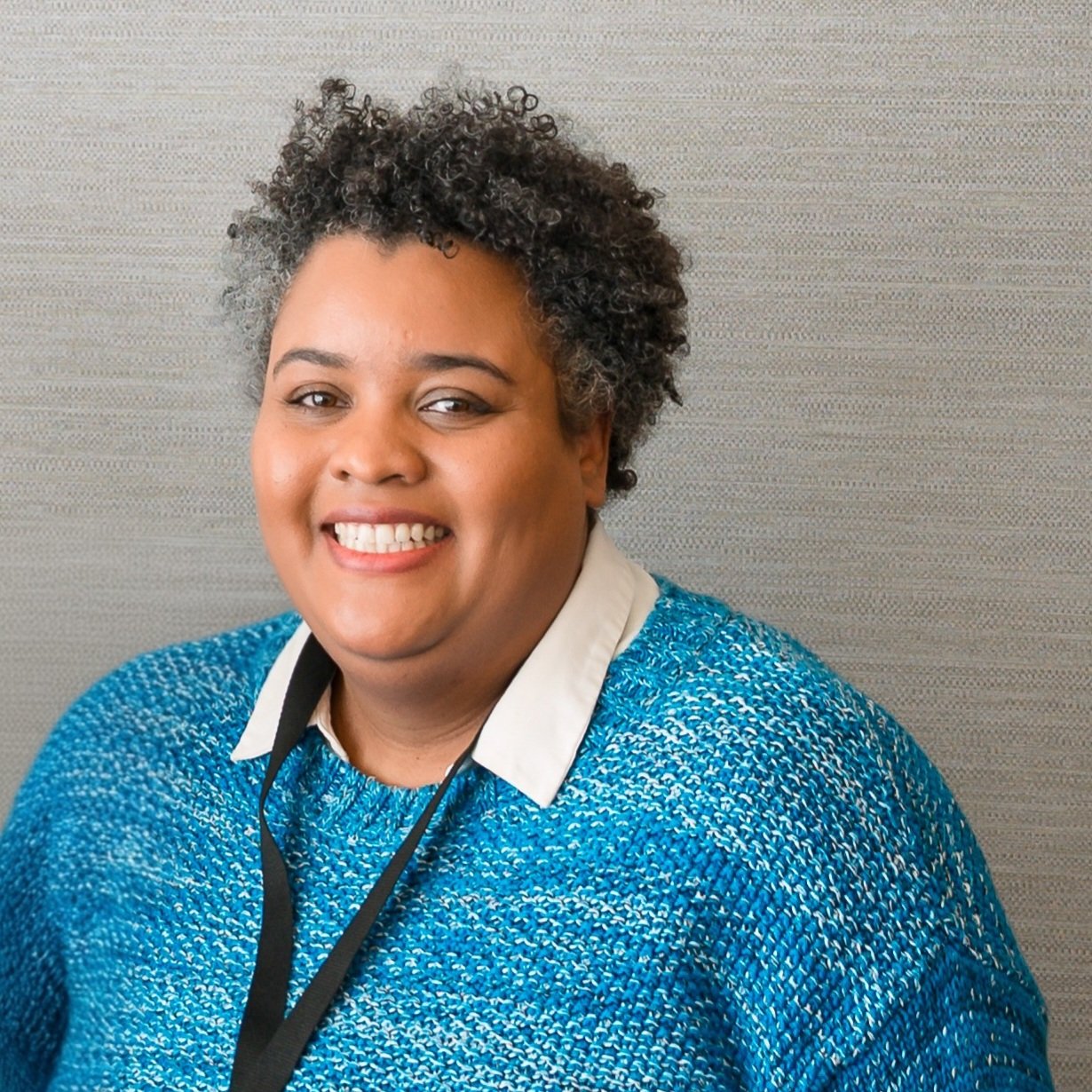
Your guide to the research
Yoyce Geronimo Galvan, M.A., is a coach with a master's degree in Clinical and Counseling Psychology. For more than ten years, she has worked alongside individuals, families, and community organizations supporting people affected by serious mental illness, addiction, trauma, caregiving responsibilities, and identity-related challenges. Her coaching integrates evidence-informed education with practical tools, guided reflection, and structured coaching.