Connecting the Dots
Peer-reviewed research, translated into clear, practical language for families affected by serious mental illness, LGBTQ+ adults navigating identity and belonging, and survivors rebuilding after trauma
Family Member Affected by Serious Mental Illness
One primary home for every article makes the library easier to scan. Related articles can still link across clusters inside each piece.
Partner & Caregiver Wellbeing
What caregiving can do to your mental health, sense of self, attention, and ability to keep living your own life.
8 articles
Partner & Caregiver Wellbeing
What caregiving can do to your mental health, sense of self, attention, and ability to keep living your own life.
The Three Faces of Caregiving
Three common caregiver patterns can reveal not only how you are coping, but what kind of support may fit.
Read article → Caregiver wellbeing7 Factors Linked to Caregiver Burden in Bipolar Disorder
A practical look at the conditions that make caregiving harder, and why the person you love is not “the burden.”
Read article → Caregiver wellbeingLiving With a Partner Who Has Bipolar Disorder: 4 Things That Really Help
What helps partners build a life that remains livable when the illness itself is not always predictable.
Read article → Partner wellbeingWhat No One Prepares You for When You’re the Partner of Someone With Bipolar Disorder
How caregiving can reshape identity, relationships, mental health, and the way partners see themselves.
Read article → Partner wellbeingYou’re Not a Witness. You’re Living the Illness Too.
Partners are often invisible to the systems treating bipolar disorder even when their own health is being affected.
Read article → Mental healthThe Depression No One Sees: Caring for Someone With Bipolar Disorder
Why caregiver depression can emerge under predictable conditions, and why it deserves attention in its own right.
Read article → Grief, Loss & Changing ExpectationsGrieving the Life You Thought You Would Have
Caregiving for someone with bipolar disorder can bring a deep sense of grief that is difficult to name. No one has necessarily died, yet the future you expected may no longer look the same.
Read article → Emotional Conflict, Resentment & AmbivalenceI Love Him, but Can I Live Like This?
What research on bipolar disorder caregiving reveals about love, resentment, guilt, loyalty, and the mixed emotions that can live inside a long relationship.
Read article →Marriage, Intimacy & Connection
For readers asking what bipolar disorder has changed between two people, not only what it has changed in one person.
3 articles
Marriage, Intimacy & Connection
For readers asking what bipolar disorder has changed between two people, not only what it has changed in one person.
When Bipolar Disorder Steals the Fun From a Marriage
When management, vigilance, and caution crowd out the ordinary moments that make a couple feel like a couple.
Read article → Marriage & connectionCan a Marriage Survive Bipolar Disorder? What Research Shows
Research suggests the diagnosis alone does not determine a marriage’s future; how couples adapt matters.
Read article → Boundaries, Limits & SustainabilityWhen Is Leaving Abandonment, and When Is It Survival?
Love can make staying feel like duty. But when caregiving begins to cost your health, safety, finances, identity, or ability to function, the question becomes more complicated.
Read article →Communication, Conflict & Boundaries
For the moments when love is still present but conversations, expectations, and limits have become difficult.
3 articles
Communication, Conflict & Boundaries
For the moments when love is still present but conversations, expectations, and limits have become difficult.
When Is There Room for Me in the Relationship?
Understanding the illness does not answer how much of yourself you should give. This article looks at making room for both people.
Read article → CommunicationThe Goal Isn’t to Stop Fighting
Healthier families are not necessarily conflict-free; what matters is whether conflict becomes the whole relationship.
Read article → ConflictWhy Every Conversation Turns Into a Fight
Research helps explain why some families become trapped in repeat conflict patterns, and where change may begin.
Read article →Family Roles & Parenting
How serious mental illness affects the wider family system, especially children and the adults trying to explain what is happening.
1 article
Family Roles & Parenting
How serious mental illness affects the wider family system, especially children and the adults trying to explain what is happening.
Stigma, Isolation & Identity
When other people’s assumptions, or the need to hide what is happening,begin changing how caregivers see themselves and their family.
2 articles
Stigma, Isolation & Identity
When other people’s assumptions, or the need to hide what is happening,begin changing how caregivers see themselves and their family.
When Other People’s Judgment Becomes Your Own
How public stigma can travel inward and shape family choices, secrecy, self-perception, and connection.
Read article → Caregiver Identity & Role RecognitionWhen Does Helping Become Caregiving? The Role You May Never Have Chosen
Research on families living with bipolar disorder raises a simple question with a surprisingly hard answer: When does being a partner, parent, sibling, or friend become caregiving?
Read article →Support Systems & Sustainable Care
Because some problems are not solved by asking the caregiver to cope better. Sometimes more people and better systems need to carry the load.
2 articles
Support Systems & Sustainable Care
Because some problems are not solved by asking the caregiver to cope better. Sometimes more people and better systems need to carry the load.
The Relief of Not Having to Explain Everything
Why the value of peer support may be less about advice and more about finally being with people who already understand.
Read article → Systems & supportThe Mental Health System Treats One Patient. It Often Leaves the Other Behind.
Why caregivers can become essential to care while their own health remains largely outside the treatment system.
Read article →Support the person you love without disappearing from your own life.
Held & Seen offers structured, evidence-informed individual and small-group coaching for partners and family caregivers affected by serious mental illness.
Identity, disclosure & belonging
A smaller, growing library kept intentionally simple: one clear category for research about coming out, family, culture, safety, minority stress, and belonging.
When Every Community Welcomes Only Part of You
What happens when cultural communities and LGBTQ+ spaces each affirm only part of who you are.
Read article → LGBTQ+ · FamilyI Accept You, Just Don’t Tell Anyone
How private tolerance can preserve a relationship while still making silence the price of belonging.
Read article → LGBTQ+ · Coming outWhen You Are Ready to Come Out, but Not Every Part of You Feels Safe
Why readiness can coexist with fear when disclosure affects family, faith, housing, finances, or community.
Read article → LGBTQ+ · Minority stressWhy Coming Out May End Secrecy Without Ending Fear
Disclosure can end hiding while fear, vigilance, shame, and discrimination continue across different parts of life.
Read article → LGBTQ+ · AccessThe Map That Was Never Made: What Science Knows About Rural LGBTQ+ Health
What research reveals, and still fails to capture,about LGBTQ+ health outside major urban centers.
Read article →You do not have to choose between authenticity, safety, culture, and belonging by yourself.
Explore structured coaching for LGBTQ+ adults navigating identity, family relationships, disclosure, boundaries, culture, and self-trust.
Rebuilding after trauma
Kept separate for now rather than over-engineering a category with a single article. As this library grows, it can develop its own clusters.
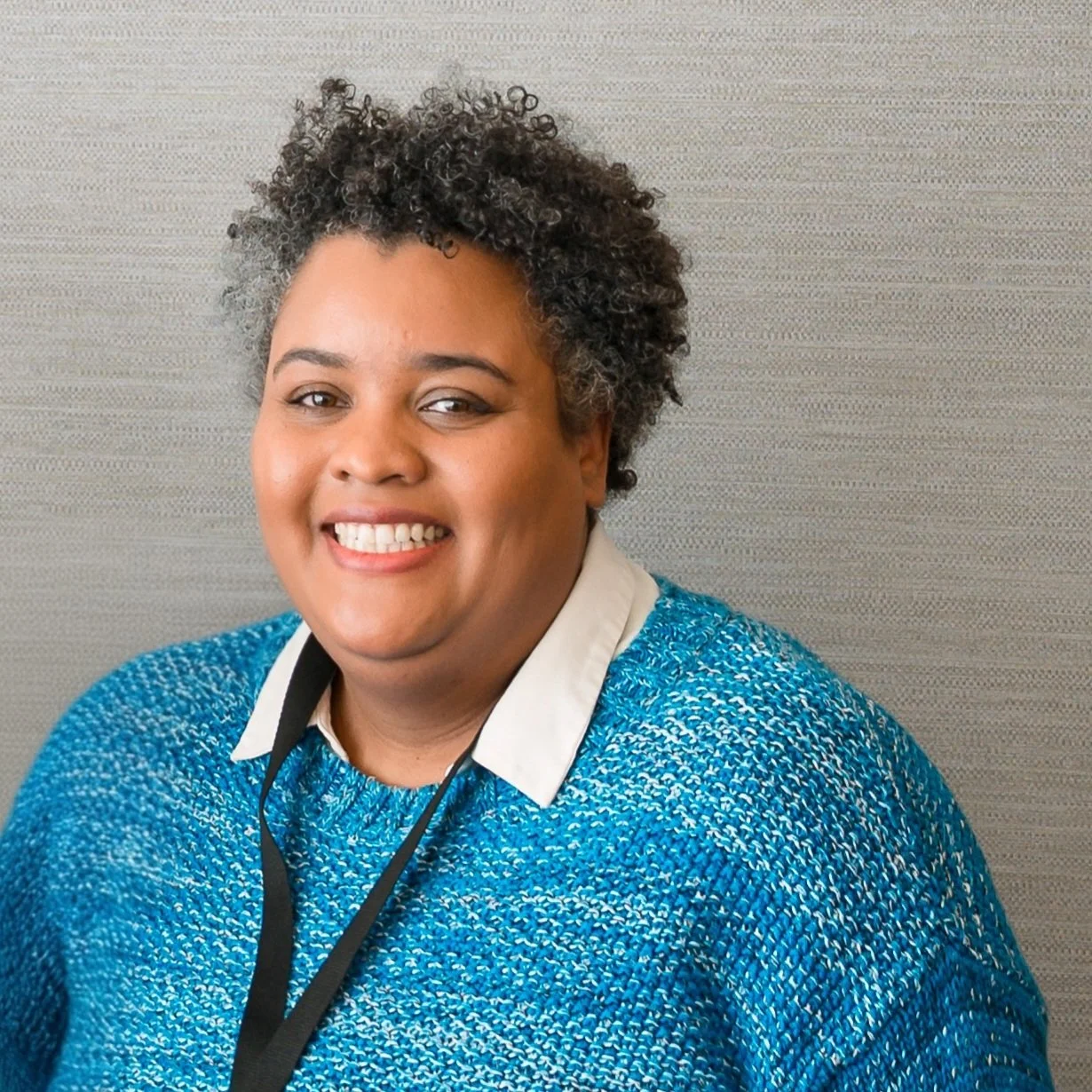
Yoyce Geronimo Galvan
She is a coach with a master's degree in Clinical and Counseling Psychology. For more than ten years, she has worked alongside individuals, families, and community organizations supporting people affected by serious mental illness, addiction, trauma, caregiving responsibilities, and identity-related challenges. Her coaching integrates evidence-informed education with practical tools, guided reflection, and structured coaching.