Research, made human
Connecting the Dots
Peer-reviewed research, translated into clear, practical language for families affected by serious mental illness, LGBTQ+ adults navigating identity and belonging, and survivors rebuilding after trauma.
The Three Faces of Caregiving
A study of 500 caregivers of people living with bipolar disorder found that people tend to cope in one of three ways. Recognizing your own pattern may help explain not only how you're doing today, but what kind of support you need
You're Not a Witness. You're Living the Illness Too.
Partners of people living with bipolar disorder often become invisible to the very systems treating the illness. Research suggests their own health, stress, and well-being deserve attention too.
The Depression No One Sees: Caring for Someone With Bipolar Disorder
New research suggests that caregiver depression is not simply the emotional cost of loving someone with bipolar disorder. It follows a pattern and understanding that pattern may help explain why so many caregivers struggle in silence.
The Mental Health System Treats One Patient. It Often Leaves the Other Behind.
Research involving more than 6,000 caregivers found high rates of depression, anxiety and psychological distress among family members caring for loved ones with serious mental illness. Yet they remain largely invisible to the system meant to help.
Your guide to the research
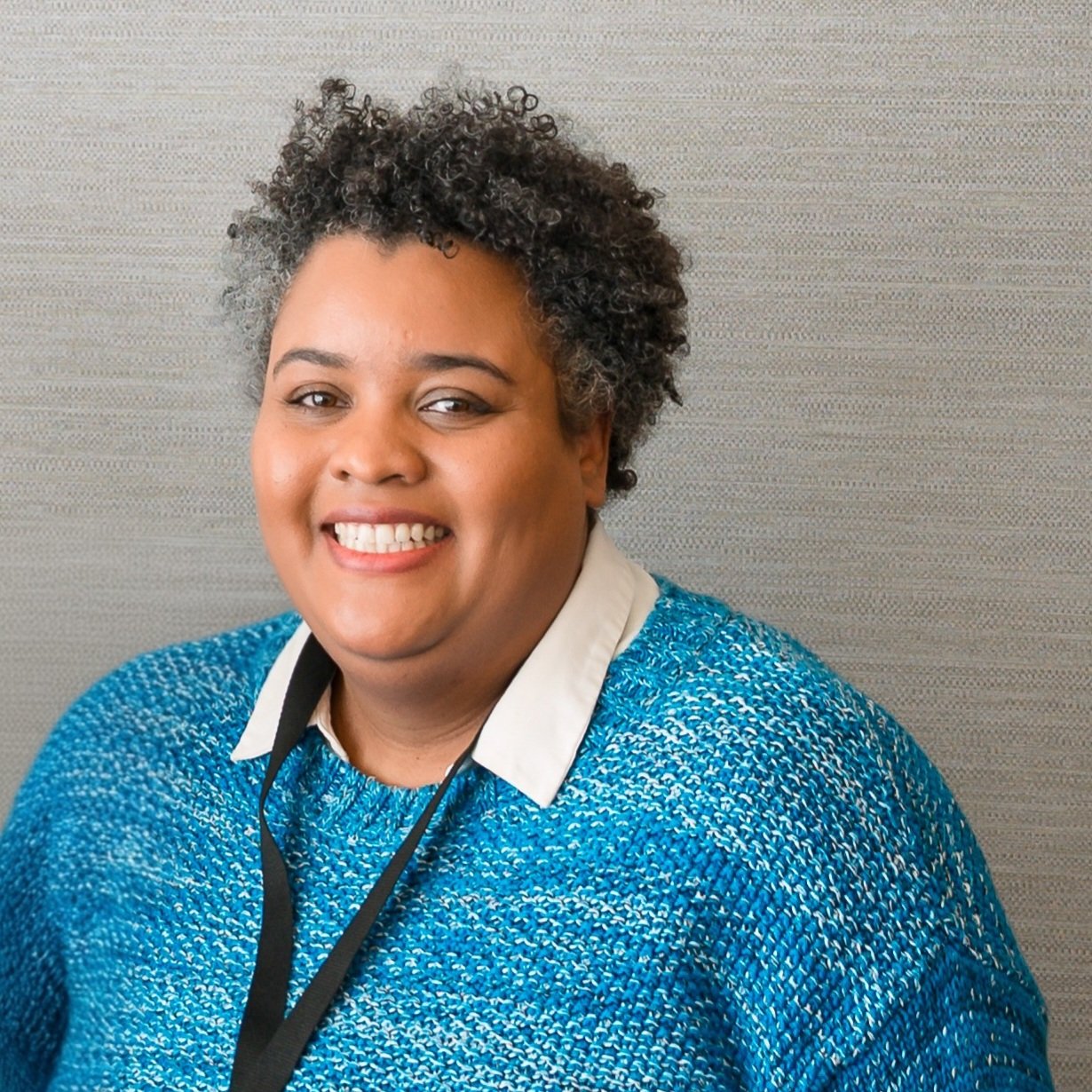
Yoyce Geronimo Galvan, M.A., is a coach with a master's degree in Clinical and Counseling Psychology. For more than ten years, she has worked alongside individuals, families, and community organizations supporting people affected by serious mental illness, addiction, trauma, caregiving responsibilities, and identity-related challenges. Her coaching integrates evidence-informed education with practical tools, guided reflection, and structured coaching.